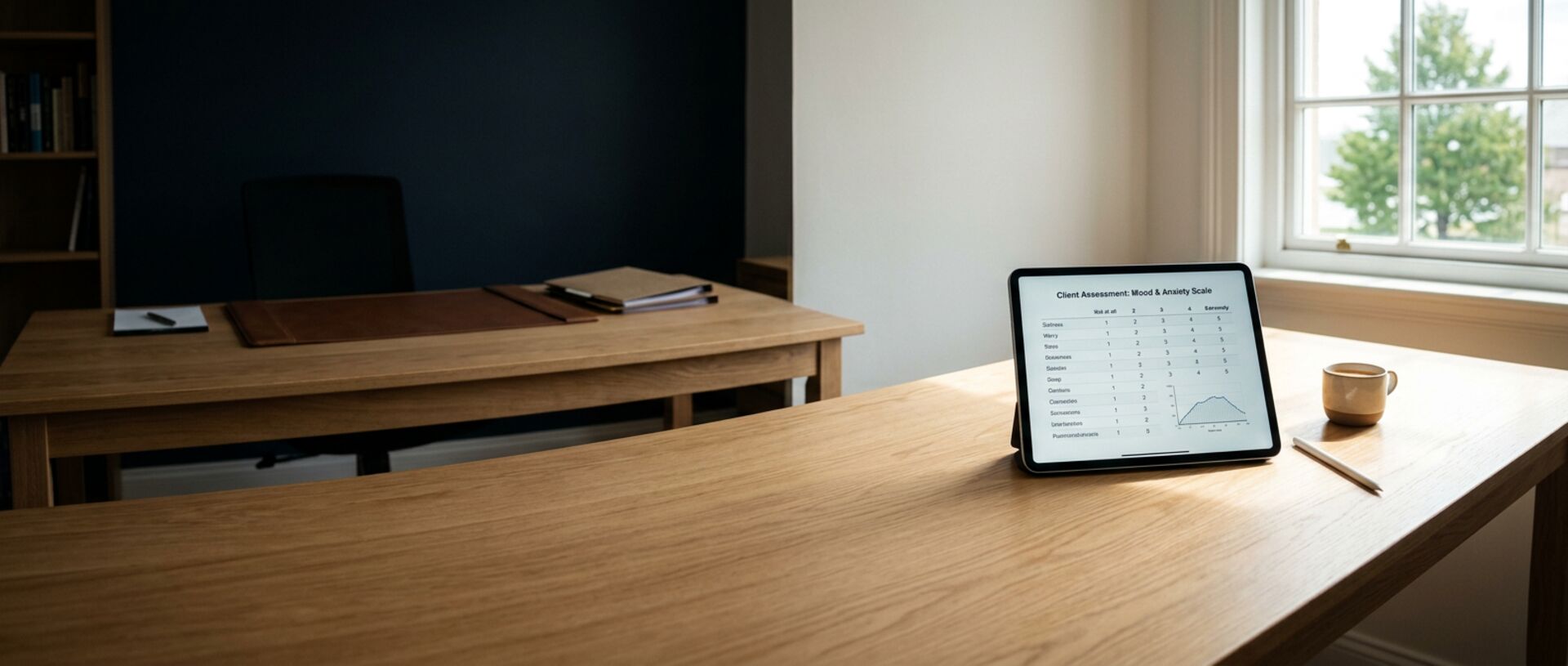

Sunlit clinician oak desk with a tablet displaying a digital psychometric mood and anxiety rating scale beside a stylus

Clinical AI assessment tools

Delivery, scoring and outcome tracking

How it works

From Assessment to Intelligence

PSYSYS AI brings psychometric assessments, artificial intelligence, and longitudinal behavioral-health data together to support measurement-based behavioral health care. The platform is designed to take information generated through psychometric assessments and follow those measurements longitudinally, helping providers identify trends, monitor patient progress, and develop meaningful clinical intelligence over time.

  1. Psychometric Assessments

    Validated instruments capture symptoms, function, and outcomes at the point of care.

  2. Measurement-Based Care

    Structured scores become part of each visit, informing shared clinical decisions.

  3. Longitudinal Data

    Repeated measurements build a timeline of progress, risk, and response.

  4. AI-Guided Intelligence

    Pattern recognition highlights trends and signals that may be hard to see alone.

  5. Psychometric Intelligence

    Aggregated insight supports proactive, personalized behavioral-health care.

Platform modules

Everything a measurement-based practice needs

Three connected modules covering assessment delivery, automated scoring, and outcome tracking.

Close-up of a clinician's hand using a digital stylus to complete a psychometric self-assessment questionnaire on a tablet at a clinical desk

Digital Psychometric Assessment Platform

A secure, device-agnostic platform built for mental health practitioners to administer validated assessments at scale.

  • Clinics often rely on fragmented paper-based tools and disconnected digital workflows that slow intake, increase error rates, and make consistent assessment delivery difficult.
  • PSYSYS AI provides a centralized digital psychometric assessment platform designed specifically for mental health practitioners. It supports secure, device-agnostic delivery of validated measures across in-office, remote, and hybrid care settings. Clinicians can deploy standardized instruments to patients through a consistent interface, track completion status, and collect structured data without manual entry or file transfers. The platform is designed to integrate into clinical workflows while preserving the rigor of traditional psychometric testing.

Close-up of a hand on a wireless mouse reviewing automatically scored assessment result bar charts on a clinic monitor

Psychometric Assessments & Automated Scoring/Interpretation

Instant scoring and interpretive reporting that turns patient responses into actionable clinical insights.

  • Manual scoring consumes valuable clinical time, delays treatment decisions, and introduces inconsistency when multiple staff members interpret the same results.
  • The platform automates scoring and interpretation for a wide range of psychometric assessments, generating structured reports the moment a patient completes a measure. Complex scoring algorithms, norm comparisons, and clinical flags are handled automatically, giving clinicians immediate, consistent insights. This reduces the risk of human error, eliminates time spent on manual calculations, and helps practitioners focus on applying results to patient care rather than processing them.
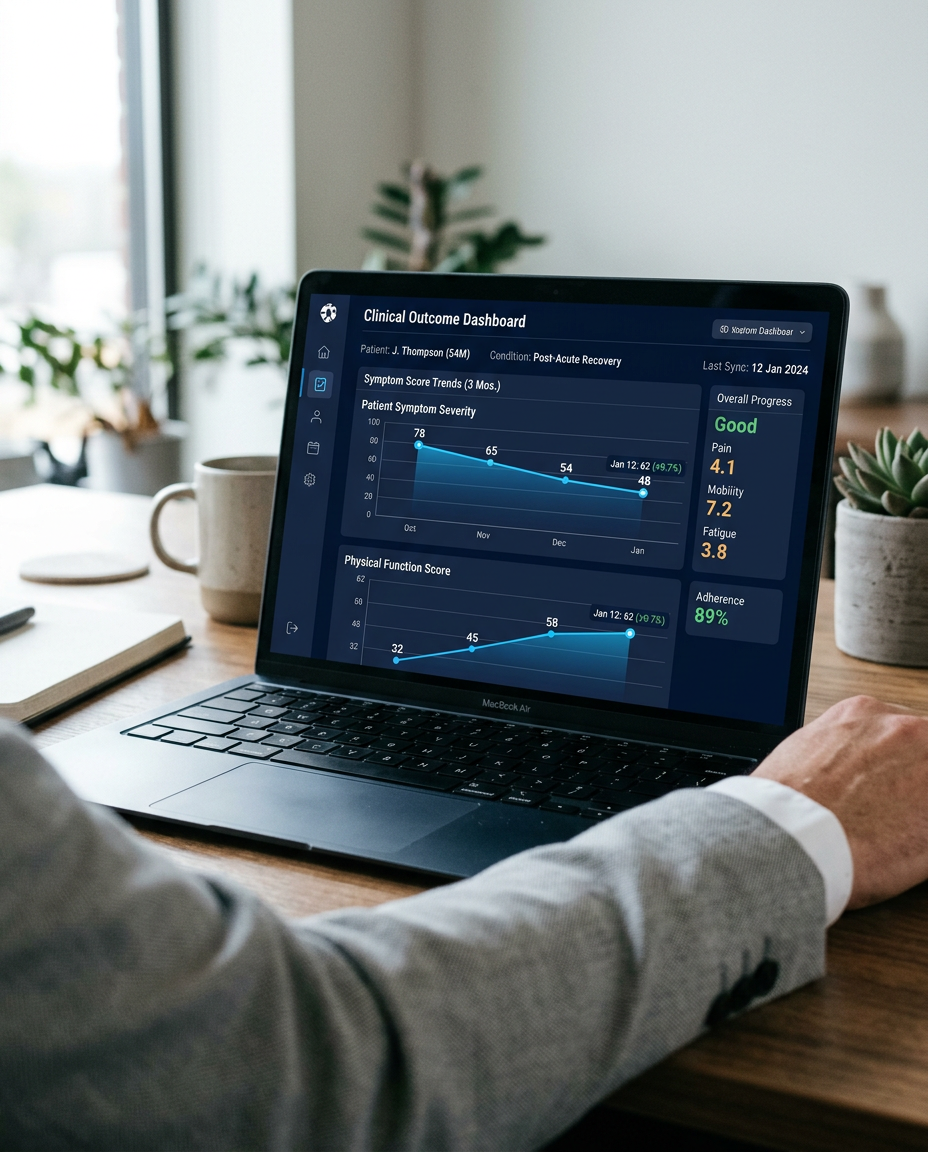
Laptop screen showing a navy clinical decision support dashboard with blue score trend charts on a therapist's desk

AI-Assisted Clinical Tools, AI Scribe, & Clinical Decision Support

Intelligent workflow assistance that helps document visits, surface patterns, and support evidence-based decisions.

  • Documentation demands and information overload can pull clinicians away from patients, while subtle patterns in assessment data may go unnoticed during busy schedules.
  • PSYSYS AI brings AI-assisted clinical tools into the workflow, including an AI scribe for clinical documentation and decision-support features designed to highlight relevant patterns across assessment data. These tools are intended to support, not replace, clinician judgment by organizing longitudinal trends and assisting with note generation.
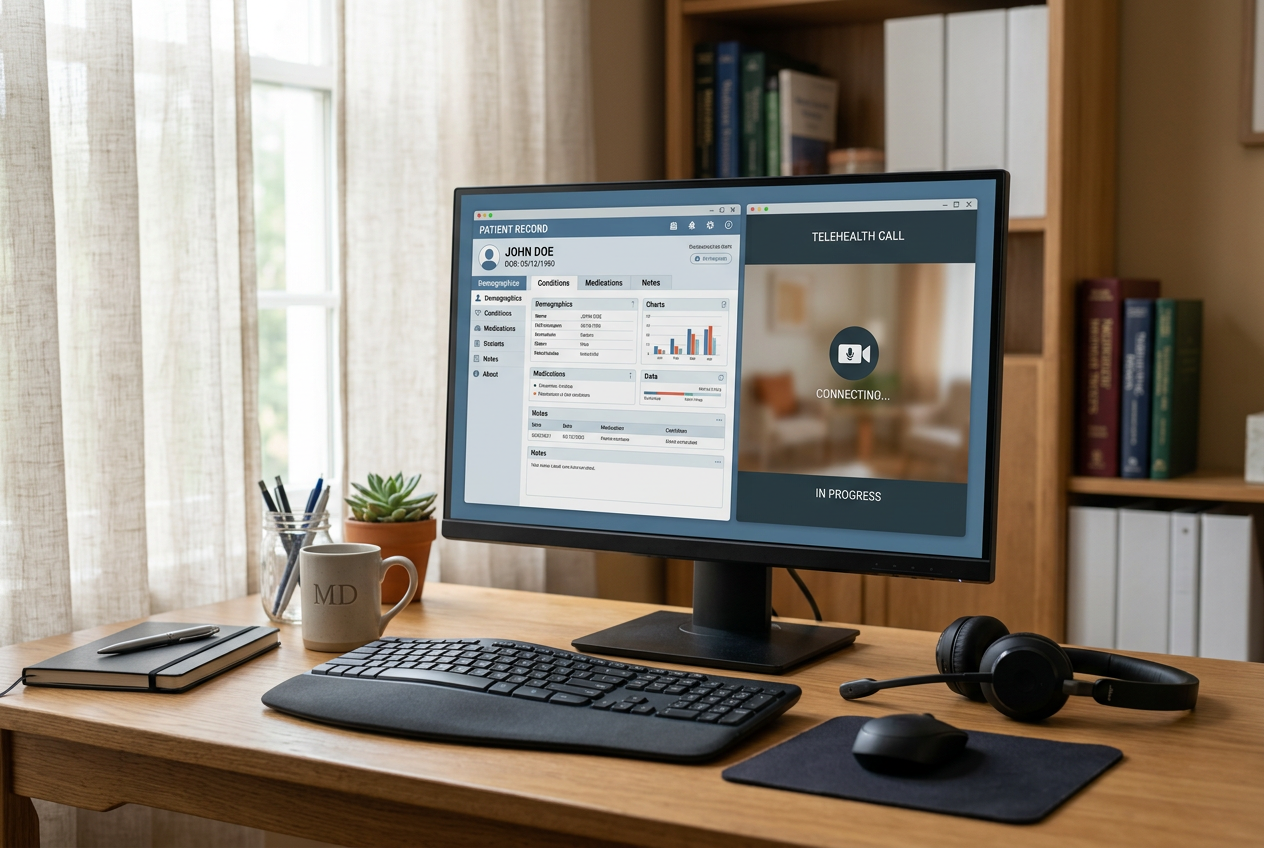
Clinician desktop monitor showing an electronic health record patient chart beside a secure telehealth video call window, with a headset on the wooden desk

Electronic Health Records (EHR) & Telehealth

Unified records and secure virtual care so assessment data lives alongside the rest of the clinical record.

  • Practices frequently manage separate systems for assessments, records, and telehealth, leading to duplicated work, data silos, and incomplete patient views.
  • The platform combines EHR functionality with secure telehealth capabilities, allowing assessment data, clinical notes, and patient records to exist in one connected environment. Clinicians can conduct virtual sessions, review assessment results in context, and document care without switching between disconnected tools. This integration supports continuity of care, improves record accuracy, and simplifies compliance by keeping protected health information within a unified, secure infrastructure.
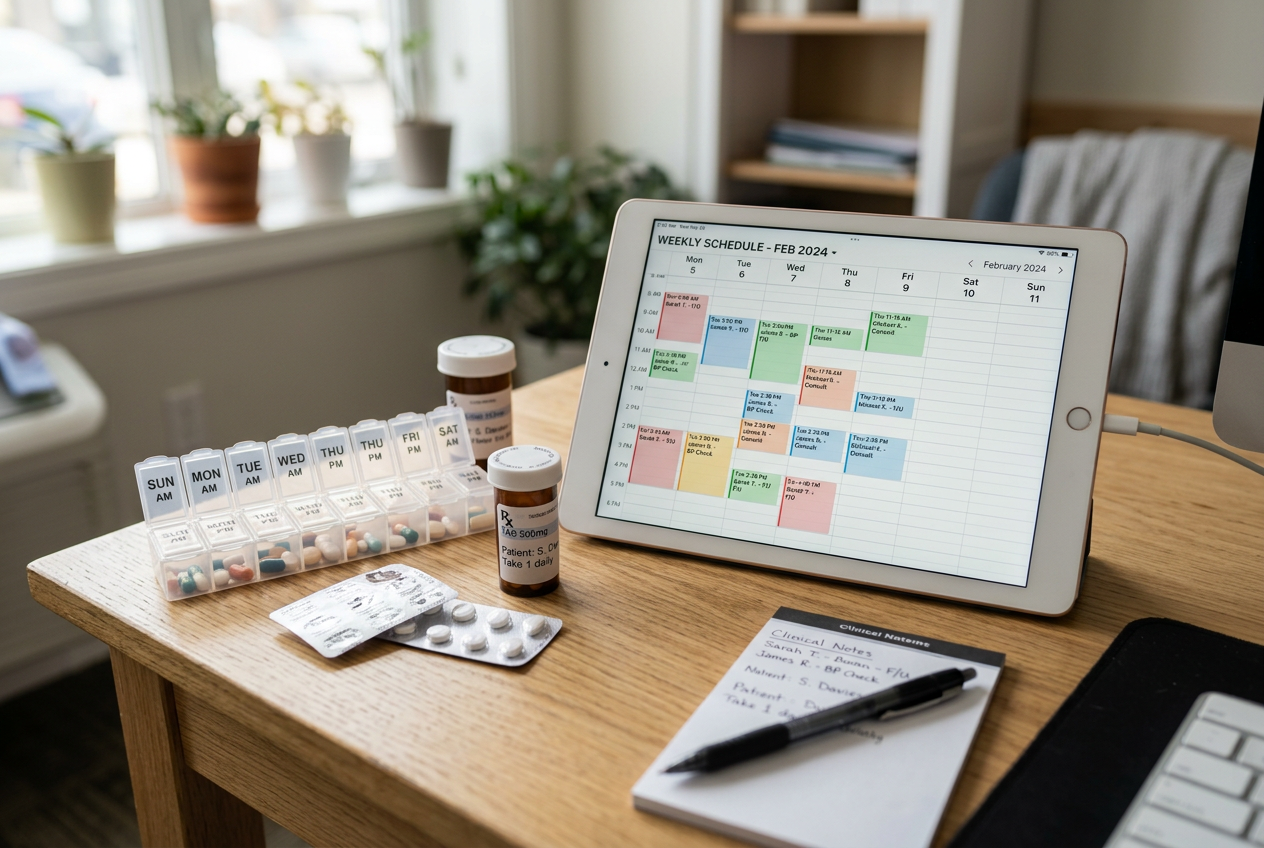
Tablet displaying a colour-coded weekly clinical appointment calendar beside a seven-day medication organizer, prescription bottles, and a blister pack on a light oak desk

Appointment Scheduling & Medication Management

Operational tools that keep patient visits, prescriptions, and follow-ups organized in one place.

  • Booking conflicts, missed appointments, and fragmented medication tracking create friction for both patients and care teams, reducing overall practice efficiency.
  • PSYSYS AI includes appointment scheduling and medication management features designed to organize day-to-day practice operations. Patients can book or reschedule appointments through integrated scheduling tools, while care teams can track medication histories, adherence, and related notes alongside assessment and outcome data.
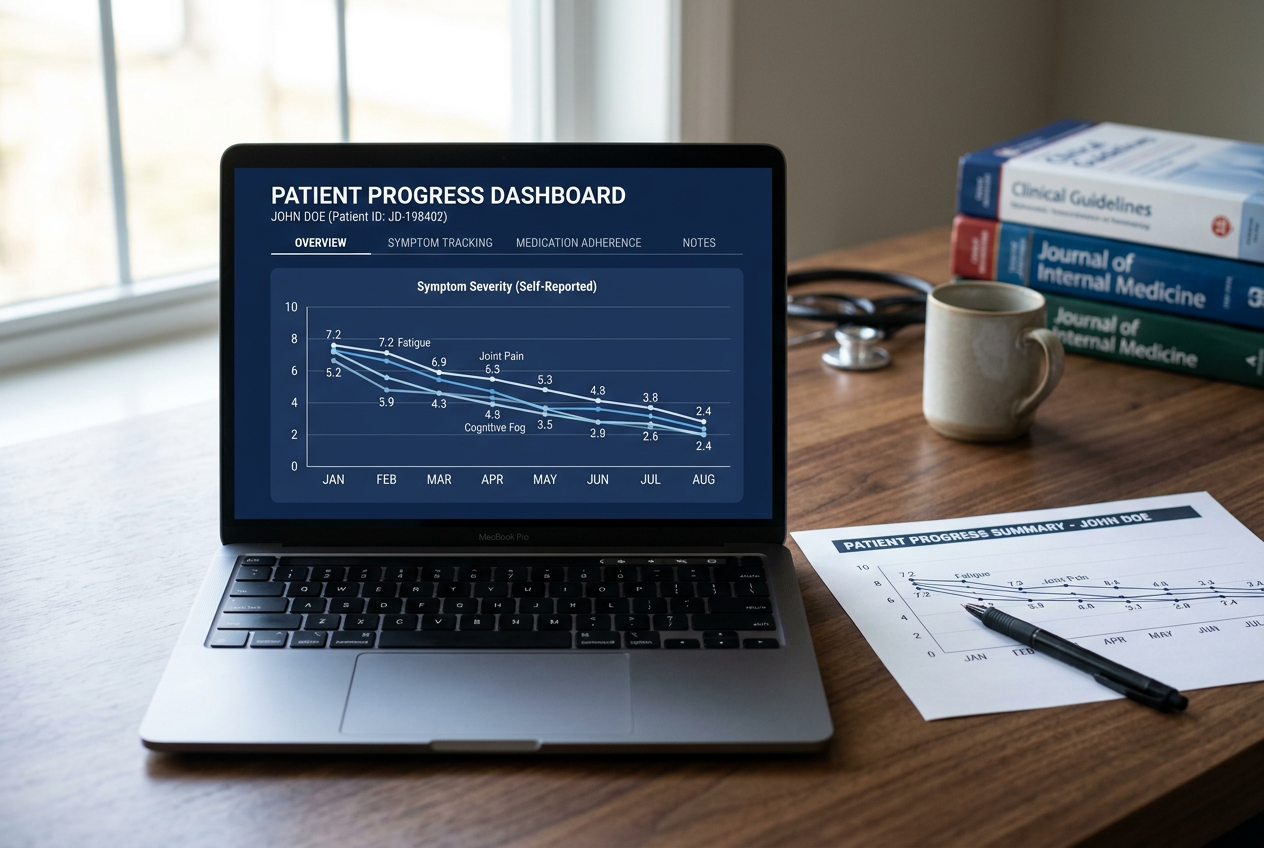
Laptop showing a navy patient progress dashboard with declining symptom severity trend lines across eight months, next to a printed progress summary and pen

Patient Progress & Longitudinal Outcome Tracking

Objective dashboards that turn repeated measures into a clear picture of progress over time.

  • Without structured follow-up data, clinicians often rely on memory or brief check-ins to judge progress, making it hard to detect stalled treatment or early deterioration.
  • The platform enables continuous patient progress and longitudinal outcome tracking through automated follow-up assessments and visual dashboards. Repeated measures are aggregated over weeks or months, revealing trends that support measurement-based care. Clinicians can compare baseline and follow-up scores, identify meaningful change, and use that information to adjust treatment plans. This data is also valuable for demonstrating outcomes to patients, supervisors, and payers.
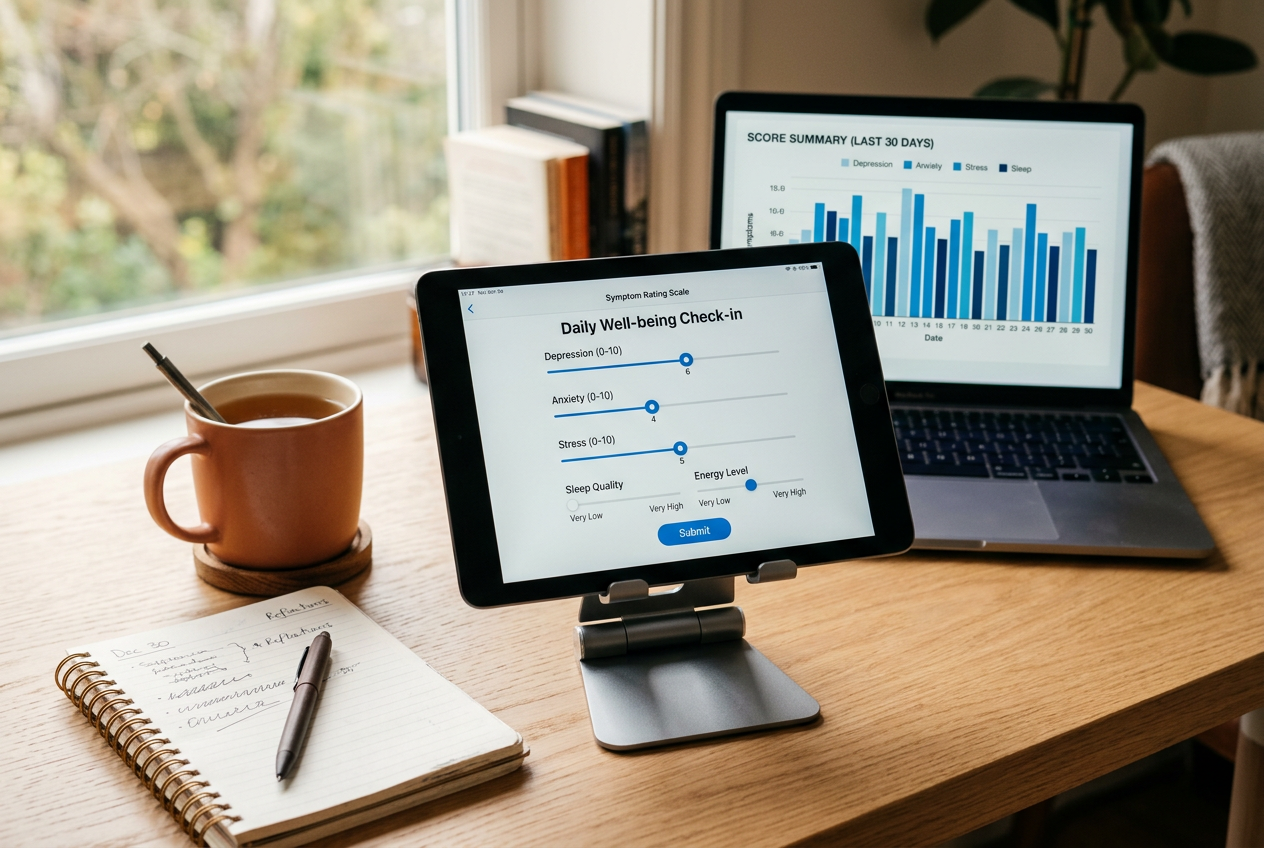
Tablet on a stand showing a daily well-being symptom rating scale with sliders for depression, anxiety, stress, and sleep, with a laptop score summary chart behind it

Measurement-Based Care Support & Remote Mental Health Assessment and Therapy Support

Remote-friendly assessment and therapy tools that make measurement-based care practical across settings.

  • Remote care can make consistent assessment and progress monitoring harder to maintain, reducing the quality and reliability of measurement-based treatment.
  • PSYSYS AI supports measurement-based care and remote mental health services through asynchronous and synchronous assessment delivery, outcome tracking, and telehealth integration. The platform is designed so patients can complete measures remotely and clinicians can review results before or during virtual sessions.
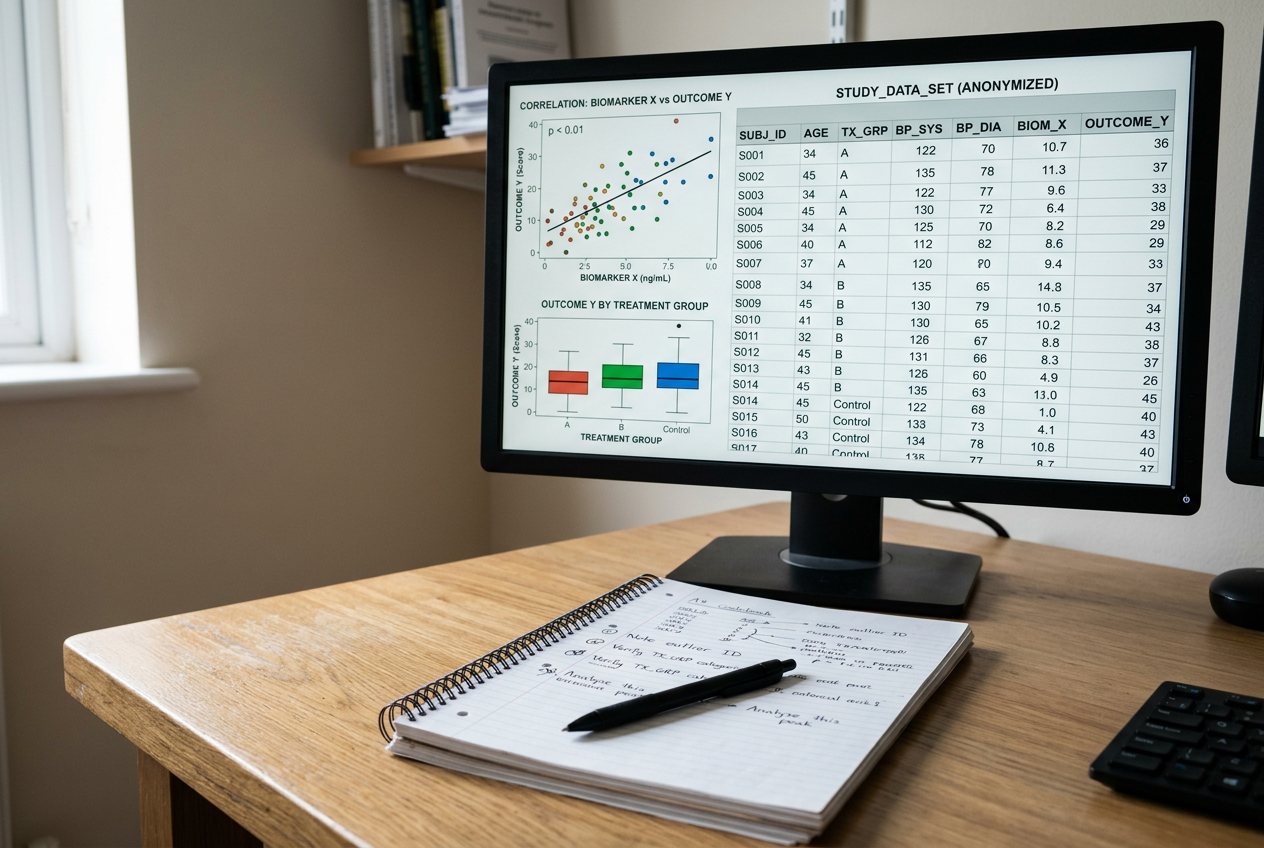
Monitor displaying an anonymized clinical research data table with correlation scatter plot and treatment-group box plots, beside a handwritten codebook and pen

Research-Ready Data Collection

Structured, exportable datasets that support clinical research, audits, and quality improvement initiatives.

  • Collecting usable research data often requires custom tools, manual formatting, and careful quality control, which can delay studies and complicate multi-site collaboration.
  • The platform supports research-ready data collection with structured, exportable datasets that are clean, consistent, and suitable for clinical research, audits, and quality-improvement projects. Assessment responses, outcome scores, and metadata are captured in standardized formats that reduce preparation time and improve reproducibility. Academic institutions, research teams, and healthcare organizations can use this infrastructure to accelerate studies, meet reporting requirements, and generate evidence for program evaluation.

Market segments we serve

From solo practices to health systems, universities, federal programs, and research partners.

  • Sole practitioners and small therapy groups
  • Medical systems and hospital groups
  • Schools and universities
  • Counseling centers and training programs
  • Federal organizations and Veterans Affairs
  • Corporate HR departments
  • Executive recruiters
  • Healthcare and academic research partners

Conditions and assessment areas

Validated instruments spanning mood, neurodevelopmental, trauma, and well-being domains.

  • Depression
  • Anxiety
  • ADHD
  • OCD
  • Trauma
  • PTSD
  • Personality
  • Autism
  • Eating disorders
  • Substance/drug use
  • Panic disorder
  • Phobias
  • Relationships
  • Well-being
HIPAA-Compliant Infrastructure
Sunlit clinical desk with a tablet showing an automated psychometric scoring report beside a stylus and notepad

Next step

See these modules running on your caseload

A 30-minute walkthrough mapped to your instruments, workflows, and reporting needs.

Call Now